

Can a handle wheel be used in a high - speed application? This is a question that often comes up in various industrial and engineering discussions. As a handle wheel supplier, I've encountered numerous inquiries from clients who are looking to use handle wheels in high - speed scenarios, and I'm here to provide a comprehensive analysis of this topic.
Understanding Handle Wheels
Before delving into whether handle wheels can be used in high - speed applications, it's essential to understand what handle wheels are. Handle wheels are mechanical devices that are typically used for manual control, adjustment, or operation of machinery. They come in various shapes, sizes, and materials, each designed for specific applications. For instance, the Thumb Knob Handwheel is a type of handle wheel that is often used in applications where fine adjustments are required. It has a small, thumb - operated knob that allows for precise control.
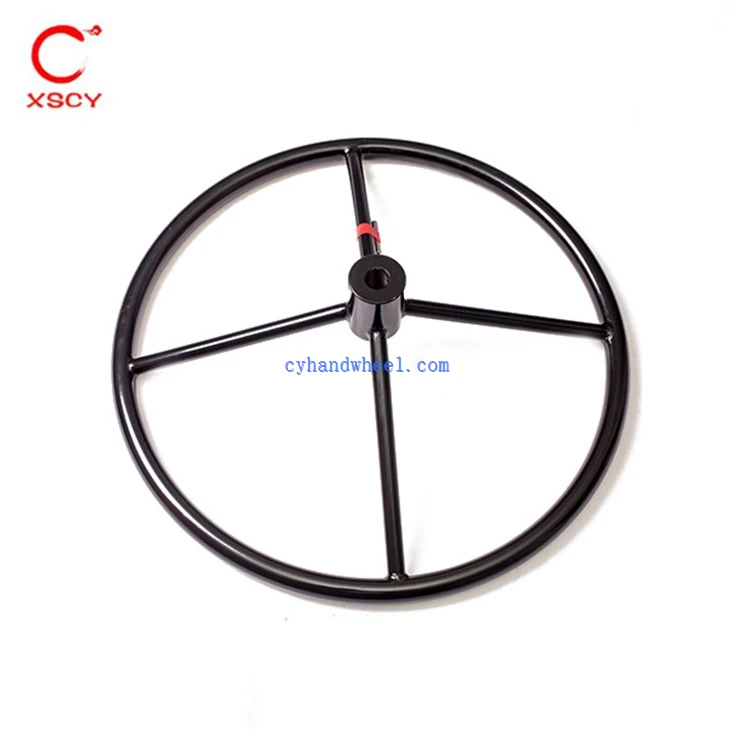
On the other hand, Control Handwheels are more general - purpose handle wheels that can be used in a wide range of applications. They are usually larger and offer more grip, making them suitable for applications where more force needs to be applied. And the Metal Wheel Welding Hand Wheel is made of metal, which provides durability and strength, often used in heavy - duty applications.
Factors Affecting the Use of Handle Wheels in High - Speed Applications
Several factors need to be considered when determining whether a handle wheel can be used in a high - speed application.
1. Material and Construction
The material of the handle wheel plays a crucial role in its performance at high speeds. For example, metal handle wheels, like the Metal Wheel Welding Hand Wheel, are generally more robust and can withstand higher rotational forces compared to plastic or composite handle wheels. The construction of the handle wheel also matters. A well - constructed handle wheel with a solid hub and a secure connection to the shaft will be more stable at high speeds. If the handle wheel is poorly constructed, it may come loose or vibrate excessively, which can be dangerous and affect the performance of the machinery.
2. Balancing
Balancing is another critical factor. At high speeds, even a small imbalance in the handle wheel can cause significant vibrations. These vibrations can not only lead to premature wear and tear of the handle wheel and the associated machinery but also affect the accuracy of the control. A balanced handle wheel ensures smooth operation and reduces the risk of mechanical failure.
3. Friction and Lubrication
Friction between the handle wheel and the shaft or other components can have a significant impact on its performance at high speeds. Excessive friction can cause overheating, which may damage the handle wheel and the surrounding parts. Proper lubrication is essential to reduce friction and ensure smooth rotation. However, the lubricant used must be suitable for high - speed applications and should not degrade or evaporate quickly under the high - speed conditions.
4. Design and Ergonomics
The design of the handle wheel also affects its usability in high - speed applications. An ergonomic design is crucial, especially if the handle wheel needs to be operated manually during high - speed operation. A handle wheel with a comfortable grip and a design that allows for easy and quick adjustments can improve the operator's efficiency and safety.
Advantages of Using Handle Wheels in High - Speed Applications
Despite the challenges, there are several advantages to using handle wheels in high - speed applications.
1. Manual Control
Handle wheels provide manual control, which can be beneficial in situations where automated control may not be suitable or reliable. For example, in some emergency situations or during maintenance, an operator may need to make quick adjustments using a handle wheel.
2. Precision
Handle wheels, especially those designed for fine adjustments like the Thumb Knob Handwheel, can offer high precision. This is important in high - speed applications where even small adjustments can have a significant impact on the performance of the machinery.
3. Cost - Effectiveness
Compared to some advanced automated control systems, handle wheels are relatively inexpensive. This makes them a cost - effective option for some high - speed applications, especially in small - scale or budget - constrained projects.
Disadvantages and Risks
However, there are also some disadvantages and risks associated with using handle wheels in high - speed applications.
1. Safety Concerns
At high speeds, the handle wheel can pose a safety risk to the operator. If the handle wheel comes loose or breaks, it can cause serious injuries. Additionally, the high - speed rotation can create a high - energy environment, which requires proper safety precautions.
2. Limited Speed Range
Most handle wheels are designed for relatively low - to medium - speed applications. Using them at extremely high speeds may exceed their design limits, leading to mechanical failure.
3. Maintenance Requirements
High - speed operation can increase the wear and tear of the handle wheel. This means that more frequent maintenance and replacement may be required, which can add to the overall cost of the application.
Case Studies
Let's look at some real - world case studies to better understand the use of handle wheels in high - speed applications.
In a manufacturing plant, a high - speed conveyor system was equipped with a handle wheel for manual adjustment of the conveyor speed. The handle wheel was a Control Handwheel, which was made of a durable plastic material. Initially, the handle wheel worked well at medium speeds. However, when the conveyor was operated at higher speeds, the handle wheel started to vibrate excessively. This was due to an imbalance in the handle wheel. After re - balancing the handle wheel and upgrading the lubrication system, the vibrations were reduced, and the handle wheel was able to operate safely at the higher speeds.
In another case, a precision machining center used a Thumb Knob Handwheel for fine adjustments during high - speed machining operations. The ergonomic design of the Thumb Knob Handwheel allowed the operator to make quick and precise adjustments, which improved the quality of the machined parts. However, due to the high - speed rotation, the handle wheel required more frequent maintenance to ensure its smooth operation.

Conclusion
In conclusion, whether a handle wheel can be used in a high - speed application depends on several factors, including the material, construction, balancing, friction, and design of the handle wheel. While there are challenges and risks associated with using handle wheels in high - speed applications, there are also advantages, such as manual control, precision, and cost - effectiveness.
If you are considering using handle wheels in a high - speed application, it's important to carefully evaluate these factors and choose the right type of handle wheel for your specific needs. As a handle wheel supplier, I can offer a wide range of handle wheels, including the Thumb Knob Handwheel, Control Handwheels, and Metal Wheel Welding Hand Wheel, to meet your requirements.
If you have any questions or are interested in discussing your handle wheel needs for high - speed applications, please feel free to contact us for a detailed consultation and to start the procurement process. We are committed to providing you with the best solutions and high - quality handle wheels.
References
- Engineering Handbook of Mechanical Components
- Industrial Machinery Design and Operation Manual
- Case Studies in High - Speed Machinery Applications


