

When it comes to the practical application of handle wheels, one question that often arises is whether they can be used on uneven surfaces. As a handle wheels supplier, I've encountered this query numerous times from customers across various industries. In this blog post, I'll delve into the technical aspects, advantages, limitations, and potential solutions regarding the use of handle wheels on uneven surfaces.
Technical Considerations
Handle wheels come in a wide range of designs, materials, and sizes, each with its own set of characteristics that can influence their performance on uneven surfaces. The primary factors to consider include the wheel's diameter, material, tread pattern, and bearing type.
Diameter
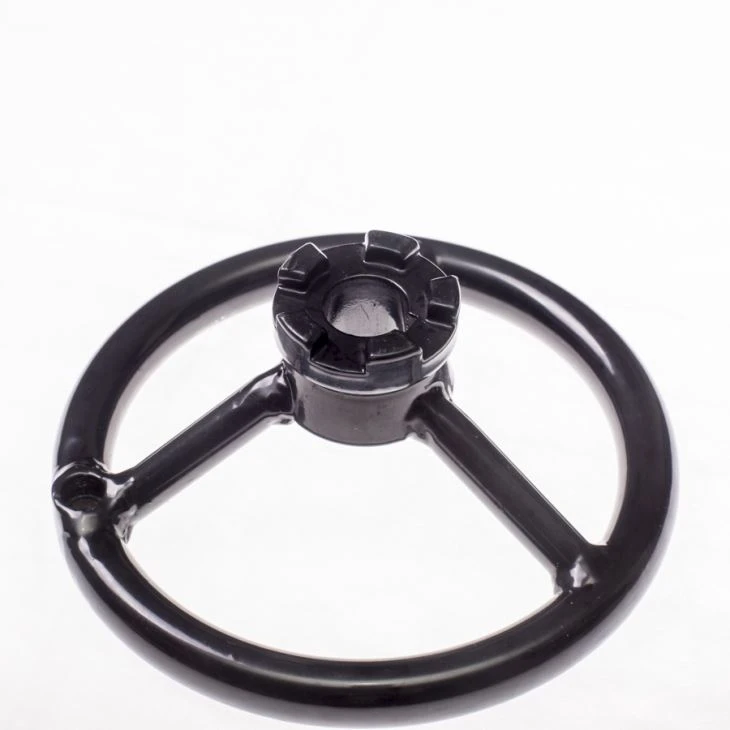
The diameter of a handle wheel plays a crucial role in its ability to navigate uneven terrain. Larger diameter wheels generally have an advantage as they can roll over obstacles more easily. For example, a Diameter of 150mm valve handwheel has a greater circumference, allowing it to cover more ground with each rotation and providing better clearance over bumps and irregularities. This is because the larger the wheel, the less likely it is to get stuck in small depressions or be affected by minor surface variations.

Material
The material of the handle wheel also impacts its performance on uneven surfaces. Rubber is a popular choice due to its flexibility and shock-absorbing properties. Rubber wheels can conform to the shape of the surface, providing better traction and reducing the risk of slipping. They are also less likely to damage delicate surfaces. On the other hand, metal wheels, such as steel or aluminum, offer greater durability and strength, making them suitable for heavy-duty applications. However, they may not provide the same level of grip on uneven or slippery surfaces as rubber wheels.
Tread Pattern
The tread pattern of a handle wheel is designed to enhance traction and stability. On uneven surfaces, a deep and aggressive tread pattern is often preferred as it can grip the ground more effectively, especially on loose or soft surfaces. For example, a wheel with a lugged or knobby tread pattern can dig into the ground, providing better traction and preventing the wheel from slipping. In contrast, a smooth tread pattern may be more suitable for flat and even surfaces, as it offers less rolling resistance.

Bearing Type
The type of bearing used in a handle wheel can also affect its performance on uneven surfaces. Ball bearings are commonly used due to their low friction and smooth operation. They allow the wheel to rotate freely, reducing the effort required to move the load. However, on uneven surfaces, ball bearings may be more prone to damage from shock and vibration. Roller bearings, on the other hand, are more robust and can withstand higher loads and shock forces. They are a better choice for applications where the wheel will be subjected to rough terrain.
Advantages of Using Handle Wheels on Uneven Surfaces
Despite the challenges, there are several advantages to using handle wheels on uneven surfaces.
Mobility
Handle wheels provide a convenient and efficient way to move heavy loads on uneven terrain. They allow for easy maneuverability, even in tight spaces. For example, in a construction site or a warehouse with rough floors, handle wheels can be used to transport equipment and materials quickly and safely.
Flexibility
Handle wheels come in a variety of sizes and designs, allowing them to be customized to suit different applications and surface conditions. This flexibility makes them a versatile solution for a wide range of industries, including manufacturing, logistics, and healthcare.
Cost-Effectiveness
Compared to other types of transportation equipment, such as forklifts or conveyor belts, handle wheels are relatively inexpensive. They require minimal maintenance and can be easily replaced if damaged. This makes them a cost-effective option for businesses looking to improve their material handling efficiency.
Limitations and Challenges
While handle wheels offer many benefits, there are also some limitations and challenges associated with using them on uneven surfaces.
Traction
One of the main challenges is maintaining traction on uneven or slippery surfaces. If the wheel loses traction, it can become difficult to control the load, increasing the risk of accidents and damage to the equipment. To overcome this challenge, it's important to choose a wheel with the appropriate tread pattern and material for the surface conditions.
Stability
Uneven surfaces can also affect the stability of the load. If the wheel encounters a large bump or depression, it can cause the load to tilt or tip over. To ensure stability, it's important to use a wheel with a wide base and a low center of gravity. Additionally, using multiple wheels or a wheel system can help distribute the load evenly and improve stability.
Wear and Tear
The constant movement over uneven surfaces can cause increased wear and tear on the handle wheels. This can lead to premature failure of the wheel, reducing its lifespan and increasing the cost of replacement. To minimize wear and tear, it's important to choose a high-quality wheel made from durable materials and to perform regular maintenance, such as cleaning and lubrication.
Solutions and Recommendations
To overcome the limitations and challenges of using handle wheels on uneven surfaces, there are several solutions and recommendations that can be implemented.
Choose the Right Wheel
As mentioned earlier, choosing the right wheel is crucial for optimal performance on uneven surfaces. Consider factors such as the diameter, material, tread pattern, and bearing type when selecting a wheel. For example, if you're working on a construction site with rough terrain, a large-diameter rubber wheel with an aggressive tread pattern and roller bearings may be the best choice.

Use a Suspension System
A suspension system can help absorb the shock and vibration caused by uneven surfaces, improving the comfort and stability of the load. There are several types of suspension systems available, including spring suspensions, pneumatic suspensions, and hydraulic suspensions. Choose a suspension system that is suitable for the weight and size of the load and the type of surface conditions.
Maintain the Wheels
Regular maintenance is essential to ensure the longevity and performance of the handle wheels. This includes cleaning the wheels, lubricating the bearings, and inspecting the wheels for signs of wear and damage. Replace any worn or damaged parts promptly to prevent further damage to the wheel and the load.
Train the Operators
Proper training of the operators is also important to ensure safe and efficient use of the handle wheels on uneven surfaces. Operators should be trained on how to choose the right wheel for the surface conditions, how to operate the equipment safely, and how to perform basic maintenance tasks.
Conclusion
In conclusion, handle wheels can be used on uneven surfaces, but it's important to consider the technical aspects, advantages, limitations, and potential solutions. By choosing the right wheel, using a suspension system, maintaining the wheels, and training the operators, you can ensure optimal performance and safety when using handle wheels on uneven terrain.
As a handle wheels supplier, I'm committed to providing high-quality products and expert advice to help you choose the right wheel for your specific application. If you have any questions or need further information, please don't hesitate to contact us for a free consultation. We look forward to working with you to meet your material handling needs.
References
- Smith, J. (2018). Material Handling Equipment: A Comprehensive Guide. New York: Wiley.
- Jones, R. (2019). The Science of Wheels and Tires. London: Elsevier.
- Brown, S. (2020). Industrial Wheels and Casters: Design and Application. Chicago: ASME Press.


