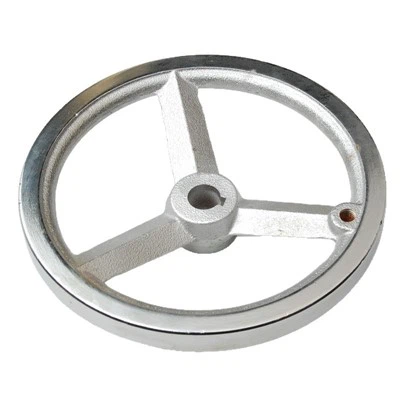
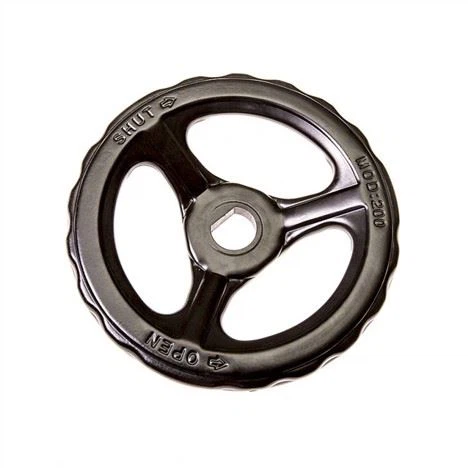
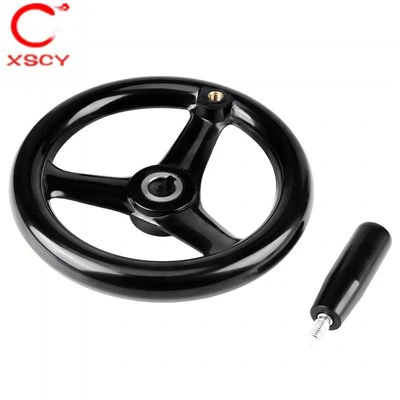
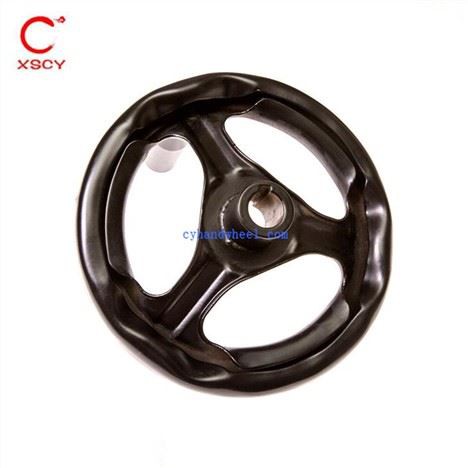
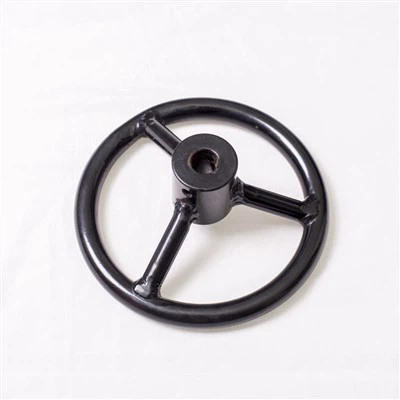
As a trusted metal handwheel supplier, we understand the significance of ensuring that metal handwheels remain secure during use. A loose handwheel can not only lead to operational inefficiencies but also pose safety risks in various industrial applications. In this blog, we will explore several effective methods to prevent a metal handwheel from loosening during use.
Understanding the Causes of Loosening
Before delving into prevention methods, it's essential to understand the factors that can cause a metal handwheel to loosen. Vibration is one of the primary culprits. In industrial settings, machinery often generates significant vibrations, which can gradually loosen the connection between the handwheel and its shaft. Another factor is improper installation. If the handwheel is not correctly mounted or tightened initially, it is more likely to become loose over time. Additionally, wear and tear, especially in high - usage environments, can also contribute to the loosening of the handwheel.
1. Proper Installation
The first step in preventing a handwheel from loosening is to ensure proper installation. When installing a metal handwheel, it is crucial to follow the manufacturer's instructions carefully. Make sure the handwheel is centered on the shaft and that all mounting holes align correctly. Use the appropriate tools to tighten the fasteners to the recommended torque. For example, if using a set screw, ensure it is tightened firmly against the shaft.
We offer a variety of handwheels, including the Hand Wheel With Set Screw. This type of handwheel is designed with a set screw that can be tightened against the shaft, providing a secure connection. When installing this handwheel, make sure the set screw is tightened to the proper torque to prevent loosening.
2. Locking Mechanisms
Using locking mechanisms is an effective way to prevent handwheel loosening. One common locking mechanism is a lock nut. A lock nut is designed to resist loosening due to vibration. When installing a handwheel, use a lock nut in combination with a regular nut. The lock nut will help keep the handwheel firmly in place.
Another option is a split pin or cotter pin. These pins can be inserted through a hole in the shaft and the handwheel, preventing the handwheel from rotating and loosening. However, it's important to ensure that the split pin is the correct size and is properly installed.
3. Adhesive Applications
Applying an adhesive can also help prevent a handwheel from loosening. Thread - locking adhesives are commonly used in industrial applications. These adhesives are designed to bond the threads of the fasteners, preventing them from vibrating loose. When using a thread - locking adhesive, apply it to the threads of the set screw or nut before installation. Make sure to follow the manufacturer's instructions for the adhesive, including the curing time.
4. Regular Maintenance and Inspection
Regular maintenance and inspection are crucial for preventing handwheel loosening. Periodically check the handwheel for any signs of looseness, such as play or movement. If you notice any issues, tighten the fasteners immediately. It's also a good idea to clean the handwheel and the shaft regularly to remove any dirt, debris, or corrosion that could affect the connection.
For example, in applications where the handwheel is used in a control valve, such as the Metal stamping parts for control valve hand wheels, regular maintenance is especially important. Control valves often require precise operation, and a loose handwheel can lead to inaccurate control.
5. Material Selection
The choice of materials can also play a role in preventing handwheel loosening. High - quality metals, such as stainless steel or brass, are often more resistant to wear and corrosion than lower - quality materials. These materials can provide a more secure connection and are less likely to loosen over time.
When selecting a handwheel, consider the application and the environment in which it will be used. For heavy - duty applications, a handwheel made of a stronger metal may be required. For example, Machine Gate Valve Handwheels are often used in high - pressure applications, and choosing a handwheel made of a durable metal is essential.
6. Design Considerations
The design of the handwheel can also impact its resistance to loosening. Some handwheels are designed with features that help prevent loosening, such as a serrated inner surface that provides a better grip on the shaft. Additionally, handwheels with a larger diameter can provide more leverage, making it easier to tighten the fasteners and reducing the likelihood of loosening.
Conclusion
Preventing a metal handwheel from loosening during use is essential for ensuring the safety and efficiency of industrial operations. By following the methods outlined above, including proper installation, using locking mechanisms, applying adhesives, performing regular maintenance, selecting the right materials, and considering design features, you can significantly reduce the risk of handwheel loosening.
As a metal handwheel supplier, we are committed to providing high - quality products and solutions to meet your needs. If you have any questions or are interested in purchasing our handwheels, please feel free to contact us for a procurement discussion. We look forward to working with you to ensure the success of your projects.


References
- Machinery's Handbook, 31st Edition
- Industrial Fasteners Institute (IFI) Standards
- Manufacturer's instructions for handwheels and related components