

In the world of industrial equipment, handwheels are a fundamental component that plays a crucial role in various applications. As a handwheel supplier, I have witnessed firsthand the diverse requirements and preferences of our customers. One common question that often arises is the difference between a simple and a complex handwheel design. In this blog post, I will delve into the characteristics, advantages, and disadvantages of both simple and complex handwheel designs to help you make an informed decision for your specific needs.
Simple Handwheel Design
A simple handwheel design typically features a straightforward structure with minimal components. These handwheels are often characterized by their basic shape, such as a circular or oval form, and may have a smooth surface or simple grip patterns. The simplicity of these designs makes them easy to manufacture, which often results in lower costs.
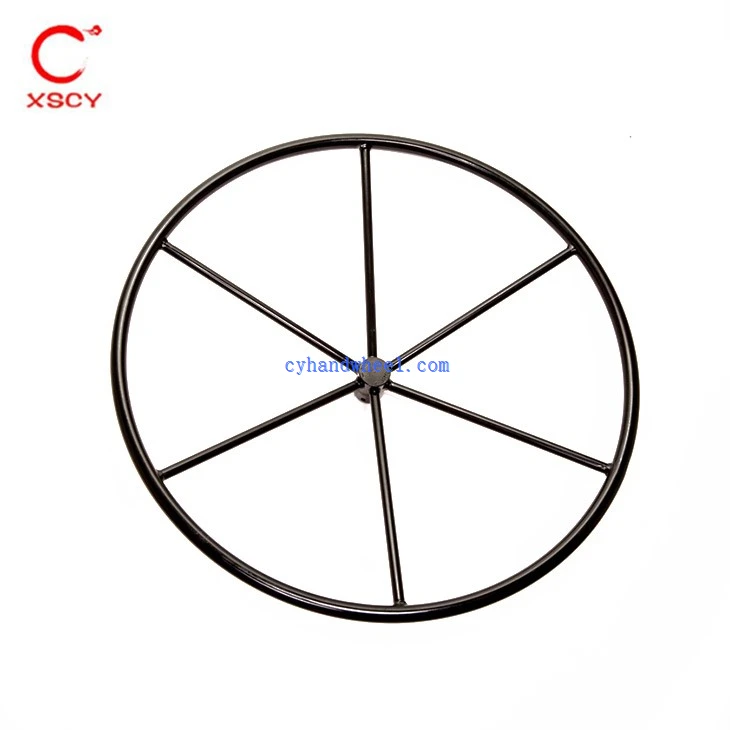

One of the primary advantages of a simple handwheel design is its ease of use. The basic shape and smooth surface make it comfortable to grip and operate, even for extended periods. This simplicity also makes it less likely to cause hand fatigue or discomfort, which is particularly important in applications where frequent adjustments are required.
Another advantage of simple handwheels is their durability. With fewer components and a less complex structure, there are fewer parts that can wear out or break. This makes them a reliable choice for applications that require long-term use or are subject to harsh operating conditions.
Simple handwheels are also highly versatile. They can be used in a wide range of applications, from small-scale machinery to large industrial equipment. Their basic design allows them to be easily integrated into existing systems or used as a replacement part.
However, simple handwheel designs also have some limitations. The lack of complexity may result in a lower level of precision and control compared to more complex designs. In applications that require fine adjustments or precise positioning, a simple handwheel may not provide the necessary accuracy.
Additionally, the basic design of simple handwheels may not offer as much visual appeal as more complex designs. In some applications, the appearance of the handwheel may be important, such as in consumer products or high-end machinery.
Complex Handwheel Design
A complex handwheel design, on the other hand, features a more intricate structure with multiple components. These handwheels may have a more elaborate shape, such as a spoked or contoured design, and may incorporate additional features, such as knurling, grooves, or indicators. The complexity of these designs allows for greater precision and control, as well as enhanced functionality.
One of the primary advantages of a complex handwheel design is its precision and control. The additional features and components allow for more accurate adjustments and finer positioning, making them ideal for applications that require high levels of precision.
Another advantage of complex handwheels is their enhanced functionality. The incorporation of features such as knurling or grooves provides a better grip, reducing the risk of slippage and improving the overall user experience. Indicators can also be added to provide visual feedback on the position or setting of the handwheel, making it easier to operate.
Complex handwheels also offer greater customization options. The intricate design allows for more flexibility in terms of shape, size, and materials, making it possible to create a handwheel that is tailored to the specific requirements of your application.
However, complex handwheel designs also have some disadvantages. The increased complexity often results in higher manufacturing costs, which can make them more expensive than simple handwheels. The additional components and features also make them more prone to wear and tear, which may require more frequent maintenance and replacement.
The complexity of these designs may also make them more difficult to use, especially for users who are not familiar with the specific features and functions. This can result in a steeper learning curve and may require additional training or instruction.
Applications and Considerations
When choosing between a simple and a complex handwheel design, it is important to consider the specific requirements of your application. Here are some factors to consider:
- Precision and Control: If your application requires high levels of precision and control, a complex handwheel design may be the better choice. The additional features and components allow for more accurate adjustments and finer positioning.
- Functionality: If your application requires enhanced functionality, such as a better grip or visual feedback, a complex handwheel design may be more suitable. The incorporation of features such as knurling or indicators can improve the overall user experience.
- Cost: If cost is a major consideration, a simple handwheel design may be the more practical choice. The lower manufacturing costs make them a more affordable option, especially for applications that do not require high levels of precision or functionality.
- Durability: If your application is subject to harsh operating conditions or requires long-term use, a simple handwheel design may be more durable. The fewer components and less complex structure make them less prone to wear and tear.
- Appearance: If the appearance of the handwheel is important, a complex handwheel design may offer more visual appeal. The intricate shape and additional features can enhance the overall look of the equipment.
Examples of Simple and Complex Handwheels
To illustrate the differences between simple and complex handwheel designs, let's take a look at some examples:
- Simple Handwheel: A basic circular handwheel with a smooth surface and no additional features is a classic example of a simple handwheel design. These handwheels are commonly used in applications where ease of use and durability are the primary concerns, such as in small-scale machinery or household appliances.
- Complex Handwheel: A Spoked Hand Wheel with a contoured shape and knurled grip is an example of a complex handwheel design. The spoked design provides additional strength and stability, while the knurled grip improves the user's grip and control. These handwheels are often used in applications that require high levels of precision and control, such as in industrial machinery or medical equipment.
Conclusion
In conclusion, the choice between a simple and a complex handwheel design depends on the specific requirements of your application. Simple handwheels offer ease of use, durability, and affordability, making them a suitable choice for a wide range of applications. Complex handwheels, on the other hand, provide greater precision, control, and functionality, but may come at a higher cost and require more maintenance.
As a handwheel supplier, I am committed to providing our customers with high-quality handwheels that meet their specific needs. Whether you are looking for a simple handwheel for a basic application or a complex handwheel for a specialized requirement, we have the expertise and resources to help you find the right solution.
If you have any questions or would like to discuss your handwheel requirements in more detail, please do not hesitate to contact us. We would be happy to assist you in selecting the best handwheel design for your application and to provide you with a competitive quote.
References
- "Handwheel Design and Selection Guide," Industrial Equipment Manufacturer's Association.
- "The Importance of Handwheel Design in Industrial Applications," Journal of Engineering and Technology.
- "Simple vs. Complex Handwheel Designs: A Comparative Analysis," International Journal of Manufacturing Technology.


