


A well-designed handwheel does more than provide manual control. It connects the operator, the equipment, and the mechanical system through precise dimensions, reliable construction, and application-specific design.
In industrial equipment manufacturing, handwheels are often treated as standard mechanical accessories. However, their actual operating requirements can vary considerably depending on equipment structure, installation space, operating torque, working environment, and frequency of use. A handwheel designed for a gate valve, for example, may not be suitable for a machine tool or a specialized industrial control system.
This is why custom handwheel manufacturing plays an important role in industrial component procurement. Instead of adapting equipment to an unsuitable standard component, manufacturers can develop handwheels according to specific mechanical requirements, ensuring proper installation, comfortable operation, and dependable performance.
For equipment manufacturers, valve suppliers, and industrial distributors, choosing an experienced handwheel manufacturer is essential to achieving consistent product specifications and long-term supply reliability.
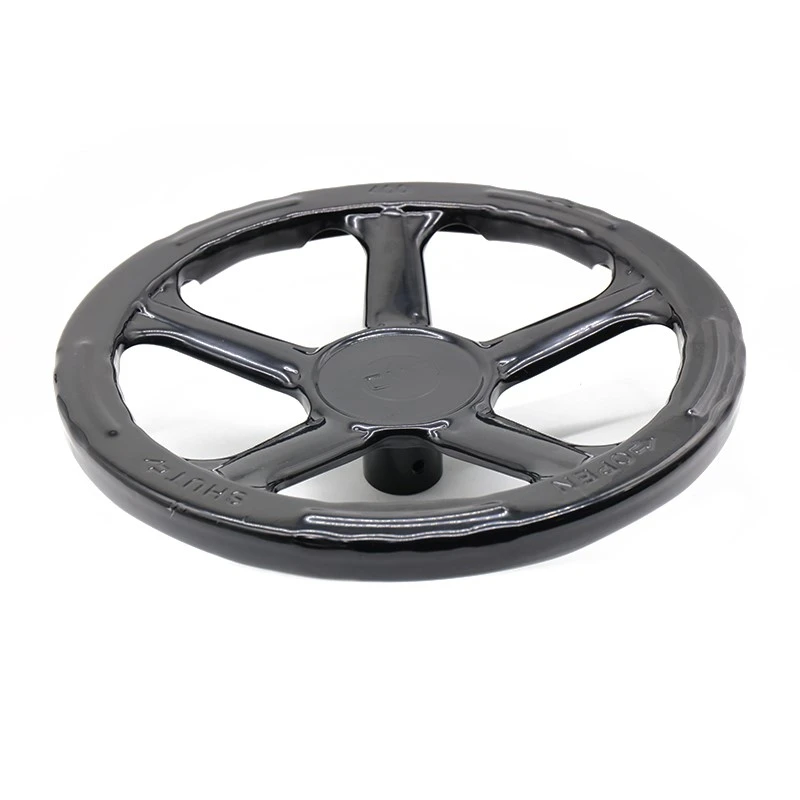
Why Different Equipment Requires Custom Handwheels
Not all industrial equipment operates under the same mechanical conditions. Even when two machines use handwheels for manual adjustment, their requirements may differ in terms of torque, mounting structure, available space, and operating environment.
A valve installed in a chemical processing facility may require corrosion-resistant materials, while a handwheel used on production machinery may prioritize dimensional accuracy and frequent manual adjustment.
Custom industrial handwheels help address these differences through application-specific engineering.
Several factors determine the design requirements:
Operating Torque: The handwheel diameter and structural strength should correspond to the force required for equipment operation. A larger operating radius may provide greater leverage, subject to the mechanical design and available space.
Installation Dimensions: Outer diameter, thickness, center bore, and mounting position must match the equipment interface to prevent installation problems.
Working Environment: Temperature, humidity, exposure to chemicals, and outdoor conditions influence material and surface treatment selection.
Operating Frequency: Equipment used for frequent manual adjustment may require a different structural design and surface finish from equipment operated occasionally.
Operator Accessibility: Spoke arrangement, rim design, and overall dimensions influence grip, clearance, and ease of operation.
A professional handwheel manufacturer evaluates these factors before recommending a suitable production solution.
How Chuangye Develops Handwheels for Different Applications
Hangzhou Xiaoshan Chuangye Metal Processing Co., Ltd. specializes in industrial handwheel manufacturing, precision machining, and sheet metal welding. Established in 2002, the company has developed manufacturing experience in metal handwheels and related industrial components.
Located in Xiaoshan District, Hangzhou, Zhejiang, China, Chuangye serves industrial equipment manufacturers, valve suppliers, and distributors in international markets.
Its product range includes stainless steel handwheels, carbon steel handwheels, cast iron handwheels, welded handwheels, stamped handwheels, and chainwheels. The company also supports customized designs based on customer drawings, samples, and application requirements.
With CNC lathes, milling machines, drilling machines, welding equipment, polishing machines, and coating facilities, Chuangye integrates multiple metal processing operations into its manufacturing workflow.
The company focuses on several practical aspects of custom production:
Manufacturing Experience: More than 20 years of experience in metal handwheel production and processing.
Product Variety: Multiple handwheel structures, materials, and manufacturing methods for different industrial applications.
In-House Processing: Machining, welding, forming, and surface finishing capabilities to support production requirements.
Drawing-Based Customization: Development of non-standard handwheels according to customer specifications.
Quality Management: Production under an ISO 9001:2015 quality management system, with inspection procedures covering different manufacturing stages.
Rather than offering only standard dimensions, Chuangye works with customers to identify suitable manufacturing methods and product configurations for their equipment.
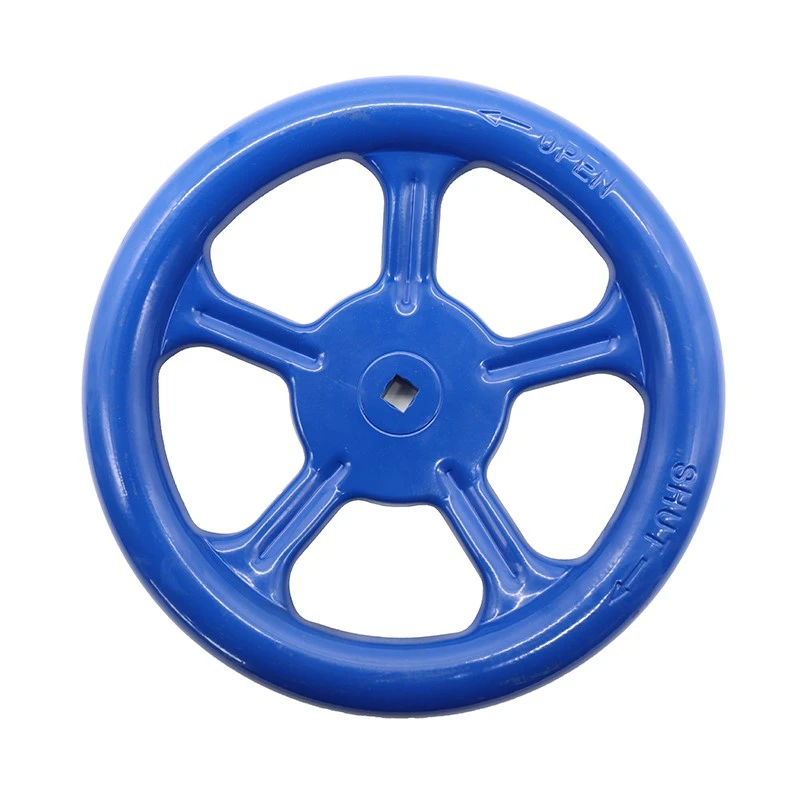
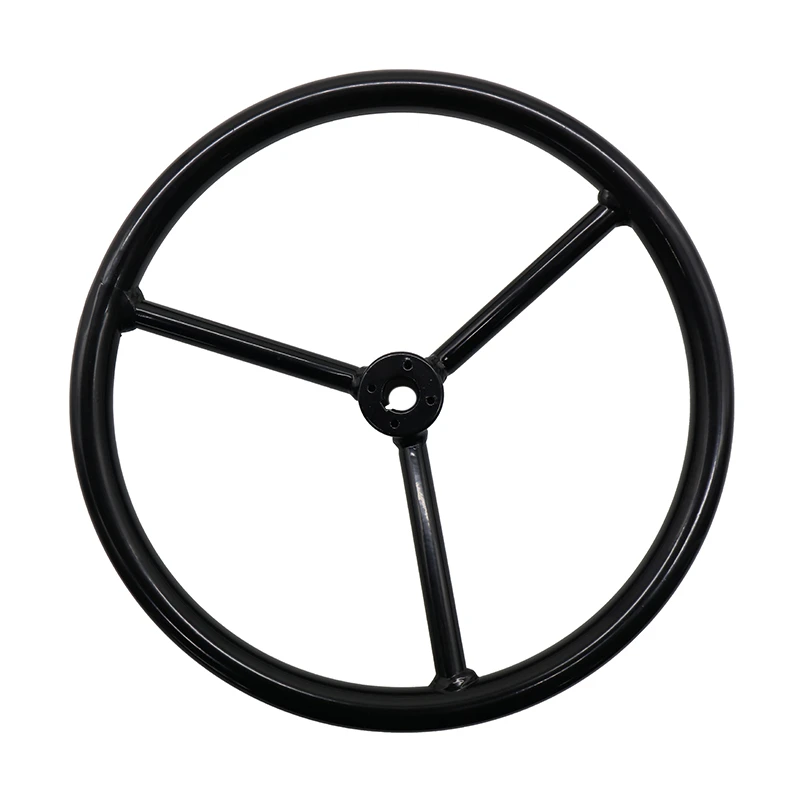
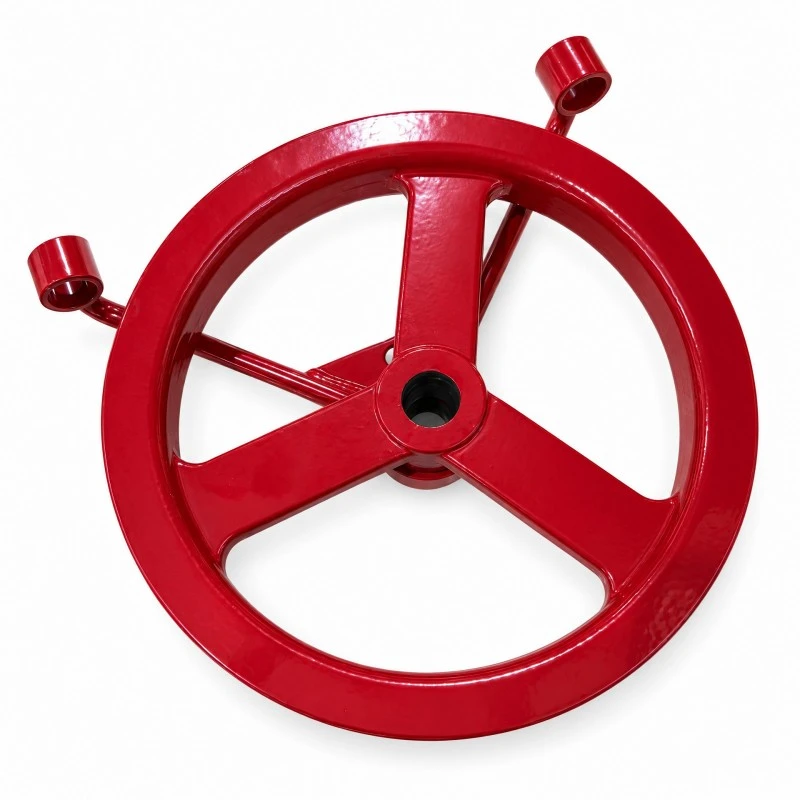
Key Customization Factors in Handwheel Manufacturing
A successful custom handwheel project starts with understanding how the component will be installed and operated. The following specifications are particularly important during product development.
The outer diameter directly affects the available operating radius and installation space. A handwheel that is too large may interfere with nearby components, while an undersized design may not provide the required operating leverage.
Chuangye supports handwheel production across different specifications, with product diameters ranging from approximately φ120 mm to φ1200 mm.
Other important dimensions include:
Outer diameter and rim thickness
Overall height and structural depth
Center bore diameter
Hub dimensions and mounting position
Spoke width and spoke configuration
These measurements should be confirmed against the equipment drawing before production.
Material selection influences mechanical strength, weight, corrosion resistance, manufacturing cost, and service life.
Chuangye provides different metal handwheel options to accommodate various industrial applications.
Different production processes offer different advantages. Stamping is suitable for certain formed metal structures, while welding provides greater flexibility for fabricated designs. Machining is used where specific dimensions and connection interfaces require additional accuracy.
Chuangye evaluates the product structure and order requirements to determine an appropriate manufacturing process.
A handwheel must connect correctly to the valve stem, shaft, or mechanical transmission structure. Incorrect mounting dimensions can cause assembly difficulties or unwanted movement during operation.
Available customization considerations include round bores, keyways, D-shaped shafts, threaded holes, and other connection configurations, depending on the application.
Matching Handwheel Types to Equipment Requirements
Different equipment applications call for different handwheel structures. The following table provides a practical reference for selecting suitable products.
| Equipment Application | Recommended Handwheel Type | Main Considerations |
|---|---|---|
| Gate and globe valves | Valve handwheel, cast iron handwheel | Operating torque, bore size, structural strength |
| Chemical processing equipment | Stainless steel handwheel, welded handwheel | Corrosion resistance, material selection |
| Water treatment systems | Carbon steel or stainless steel handwheel | Moisture exposure, surface protection |
| Machine tools | Stamped handwheel, spoked handwheel | Compact structure, dimensional accuracy |
| Industrial production lines | Welded or stamped handwheel | Operating frequency, installation clearance |
| Pipeline control systems | Valve handwheel, chainwheel | Accessibility, mounting compatibility |
| Large industrial valves | Large-diameter handwheel, chainwheel | Operating requirements, transmission arrangement |
The recommendations above are general selection references. Final specifications should be determined according to the actual equipment design and operating conditions.
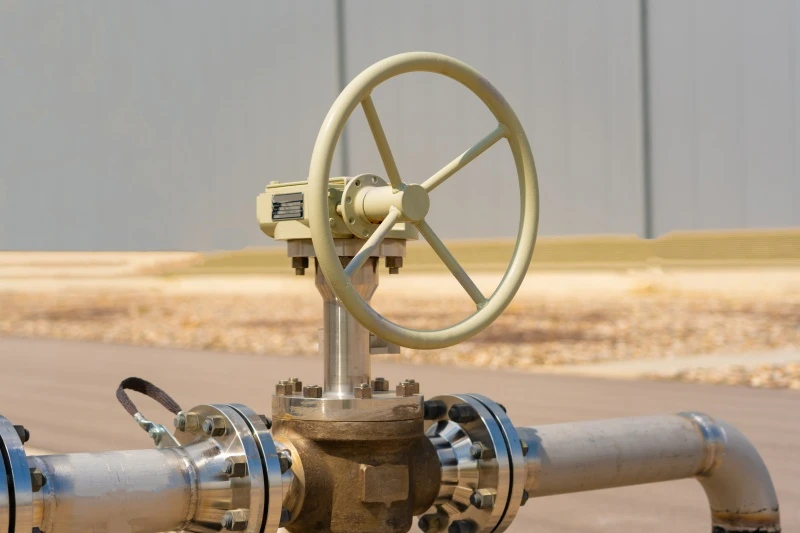
Material Options for Custom Industrial Handwheels
Selecting the correct material is an important part of custom handwheel manufacturing. It affects not only product performance but also processing methods, finishing requirements, and overall procurement costs.
| Material | Main Characteristics | Typical Applications |
|---|---|---|
| Stainless Steel | Corrosion resistance, durability, easy-to-clean surface | Chemical equipment, food processing, water systems |
| Carbon Steel | Good mechanical strength, versatile processing, economical material option | Industrial machinery, valves, general equipment |
| Cast Iron | Suitable for rigid, substantial handwheel structures | Industrial valves, pipeline systems, heavy-duty equipment |
| Aluminum Alloy | Lightweight construction and good machinability | Selected machinery and lightweight control applications |
Material selection should consider the complete working environment rather than price alone. For example, stainless steel may be more suitable for moisture-exposed applications, while carbon steel with an appropriate protective coating can be a practical option for general industrial environments.
Chuangye helps customers evaluate material and processing options according to the intended application, product drawings, and purchasing requirements.
How Manufacturing Processes Affect Product Performance
A handwheel's appearance does not fully determine its quality. The manufacturing process has a direct influence on structural consistency, dimensional accuracy, and assembly compatibility.
Chuangye offers several processing options for different handwheel designs.
Stamping: Metal stamping is suitable for specific handwheel structures requiring repeatable forming and consistent production dimensions. It can be considered for projects with established designs and ongoing order requirements.
Welding: Welded handwheels allow manufacturers to combine rims, spokes, hubs, and other metal components into a complete structure. This process offers flexibility for different configurations and customized dimensions.
Precision Machining: CNC turning, milling, and drilling help achieve specified dimensions for bores, hubs, mounting holes, and other functional interfaces.
Surface Finishing: Powder coating, polishing, electroplating, and other available finishing methods can improve surface appearance and provide additional protection, depending on the selected material and treatment.
Combining the appropriate processes helps manufacturers meet specific engineering requirements without unnecessarily complicating the product structure.
Chuangye's Custom Handwheel Manufacturing Process
For OEM equipment manufacturers, a clear production process helps reduce communication errors and avoid unnecessary modifications during assembly.
Chuangye follows a project-based approach to customized handwheel production.
Step 1: Requirement Discussion
Customers provide product drawings, existing samples, photographs, or dimensional specifications. The application, operating conditions, and expected order quantity are also reviewed.
Step 2: Technical Evaluation
The manufacturing team evaluates the proposed structure, material suitability, machining requirements, and production feasibility.
Step 3: Specification Confirmation
Important details such as outer diameter, bore dimensions, thickness, connection structure, and surface finish are confirmed before production.
Step 4: Manufacturing and Processing
The selected stamping, welding, machining, and finishing operations are arranged according to the confirmed product design.
Step 5: Quality Inspection
Finished handwheels are checked against agreed specifications. Inspection items may include dimensional measurements, appearance, mounting interfaces, and relevant structural requirements.
Step 6: Packaging and Delivery
Products are prepared for shipment according to the order requirements, with attention to surface protection and packaging suitability.
This workflow gives customers a clearer understanding of how their custom handwheels move from initial drawings to finished components.
Quality Control for Consistent Handwheel Supply
For industrial buyers, product consistency is just as important as the performance of an individual sample. Differences in bore dimensions, welding quality, surface finishing, or overall geometry can create problems during assembly and subsequent equipment operation.
Chuangye applies quality management procedures throughout its manufacturing operations.
Key inspection considerations include:
Incoming Material Inspection: Checking material specifications and condition before production.
Dimensional Inspection: Verifying critical dimensions against approved drawings.
Welding and Structural Inspection: Checking weld appearance and the condition of fabricated structures.
Surface Inspection: Identifying visible defects, scratches, and inconsistent finishing.
Final Product Inspection: Confirming that finished products meet the agreed technical and appearance requirements.
For customized projects, buyers should identify critical dimensions and acceptance criteria before mass production. This makes quality expectations clearer for both parties.
What Buyers Should Prepare Before Requesting a Custom Handwheel Quote
Providing complete technical information helps manufacturers evaluate a project more efficiently and prepare a more accurate quotation.
Before contacting a custom handwheel manufacturer, buyers should prepare the following information:
| Information Required | Details to Provide |
|---|---|
| Product Type | Valve handwheel, welded handwheel, stamped handwheel, chainwheel, etc. |
| Dimensions | Outer diameter, thickness, bore size, hub dimensions |
| Material | Stainless steel, carbon steel, cast iron, or other specified material |
| Connection | Round bore, keyway, D-shaft, threaded hole |
| Surface Finish | Powder coating, polishing, electroplating, or other requirements |
| Application | Equipment type and working environment |
| Order Quantity | Prototype, trial order, or estimated production volume |
| Technical Reference | CAD drawings, dimensional drawings, or physical samples |
If the buyer does not have a complete engineering drawing, an existing handwheel sample with clear measurements can also serve as a useful reference for technical evaluation.
Providing these details at the beginning helps reduce repeated communication and supports a smoother quotation and production process.
Conclusion: Choosing the Right Partner for Custom Handwheel Manufacturing
Different industrial equipment requires different handwheel dimensions, materials, structures, and connection methods. A standard product may work for general applications, but customized manufacturing provides greater flexibility when equipment has specific installation or operating requirements.
For OEM manufacturers, valve suppliers, and industrial distributors, selecting a capable manufacturing partner means looking beyond product appearance and unit price. Manufacturing experience, processing capabilities, dimensional control, material options, and communication throughout the production process all deserve attention.
With more than 20 years of manufacturing experience, multiple metal processing capabilities, and support for drawing-based customization, Hangzhou Xiaoshan Chuangye Metal Processing Co., Ltd. provides custom handwheel manufacturing solutions for different industrial applications.
Whether you require stainless steel handwheels, welded handwheels, stamped handwheels, cast iron handwheels, or customized valve handwheels, Chuangye can evaluate your drawings and specifications to develop a suitable production solution.
Contact Chuangye with your drawings, samples, or technical requirements to discuss your next custom handwheel project.
Frequently Asked Questions About Custom Handwheel Manufacturing
The most important information includes the outer diameter, thickness, center bore, mounting configuration, material, surface finish, and intended application. Technical drawings are preferred because they provide clear dimensional references. If drawings are unavailable, buyers can provide physical samples or detailed photographs with measurements for initial evaluation.
Yes. Hangzhou Xiaoshan Chuangye Metal Processing Co., Ltd. supports customized handwheel manufacturing based on customer drawings, samples, and technical specifications. The manufacturing team evaluates product dimensions, structural design, material requirements, and processing feasibility before confirming the production solution.
The appropriate material depends on the operating environment and mechanical requirements. Stainless steel is often considered for applications requiring corrosion resistance. Carbon steel is a practical option for general industrial environments when combined with suitable surface protection. Cast iron is commonly selected for substantial industrial handwheel structures. The final choice should be based on actual working conditions.
Yes. Customization can include round bores, keyways, D-shaped shafts, threaded holes, and other mounting configurations, subject to technical evaluation. Buyers should provide the shaft dimensions, connection drawings, and relevant tolerance requirements to help ensure compatibility with the existing equipment.
The decision depends on the required structure, material thickness, production volume, and design complexity. Welded handwheels provide flexibility for fabricated structures and different configurations. Stamped handwheels are suitable for designs that can be efficiently produced through metal forming. A manufacturer can evaluate the drawing and recommend a suitable process based on manufacturing feasibility and cost.
Before confirming a bulk order, buyers should approve the technical drawing, material specification, mounting dimensions, surface finish, and product acceptance criteria. It is also advisable to confirm the inspection requirements, packaging method, production lead time, and order quantity. For new customized designs, sample validation before mass production can help identify potential assembly or specification issues.


