


Selecting the right chainwheel for industrial valves requires more than checking the outside diameter or choosing the lowest-priced component. The chainwheel must match the valve's operating torque, chain dimensions, installation height, mounting interface, and working environment. An unsuitable design can lead to chain slippage, difficult valve operation, premature wear, and unnecessary maintenance.
For valve manufacturers, pipeline contractors, industrial distributors, and equipment procurement teams, understanding these factors helps ensure dependable operation and long-term value. This guide explains how to choose an industrial valve chainwheel, compare material options, confirm technical specifications, and work with a qualified chainwheel manufacturer.
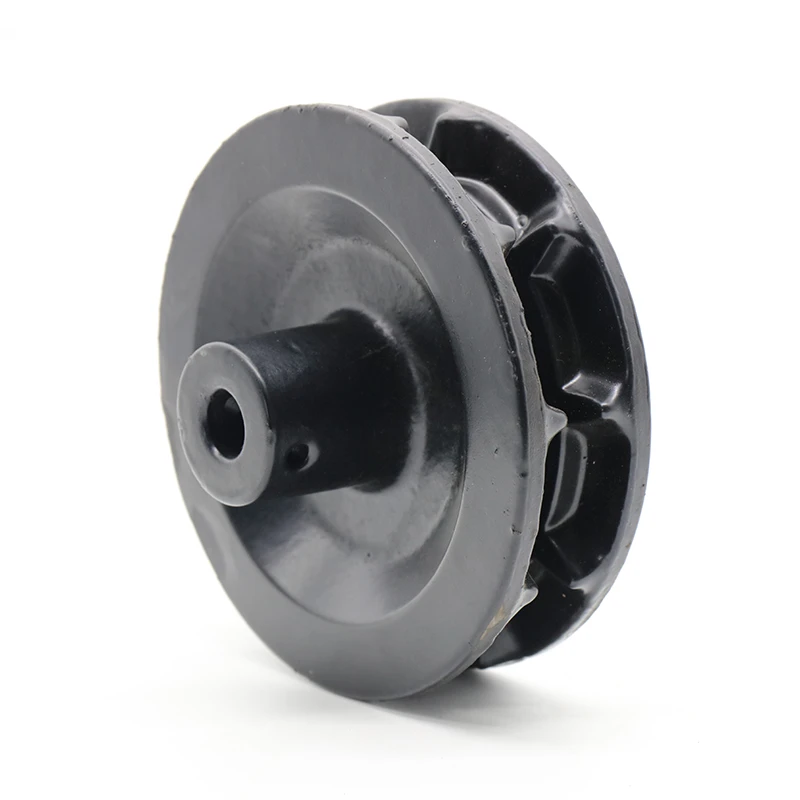
Understand How an Industrial Valve Chainwheel Works
An industrial valve chainwheel is designed to operate valves installed at elevated positions or in locations where direct access to a conventional handwheel is difficult. The operator pulls a hanging chain, rotating the chainwheel and transmitting mechanical force to the valve operating mechanism.
Chainwheels are commonly used with gate valves, globe valves, and other compatible valve assemblies in water treatment plants, energy facilities, chemical processing systems, and industrial pipelines.
Unlike a standard valve handwheel, a chainwheel provides convenient operation from a more accessible position. However, its effectiveness depends on correct sprocket geometry, chain engagement, structural strength, and compatibility with the valve.
Before selecting a chainwheel for industrial valves, buyers should establish the operating requirements and installation conditions rather than relying on nominal valve size alone.
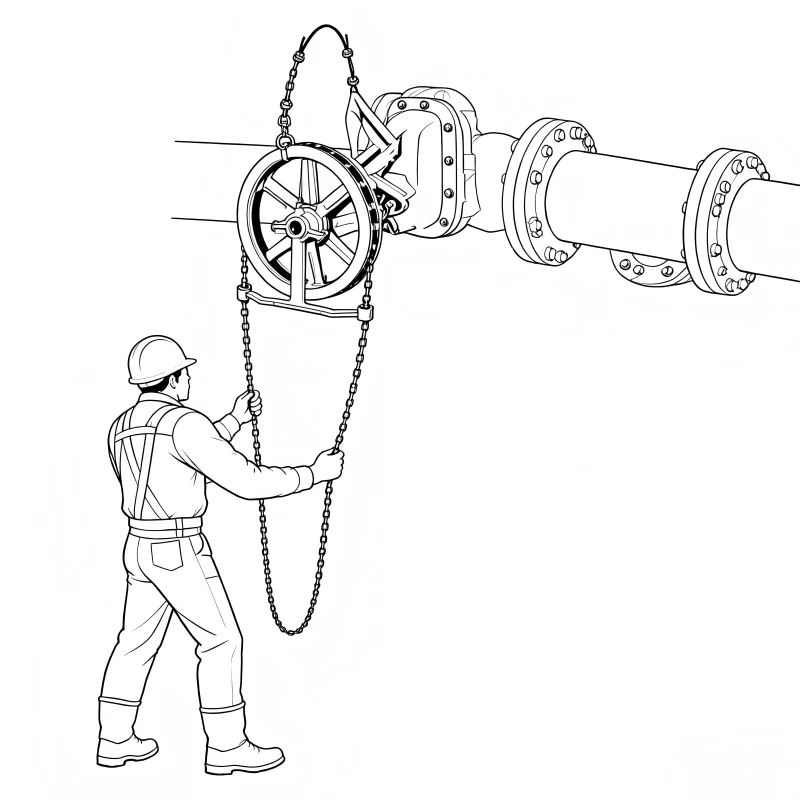
Determine the Required Operating Torque
Operating torque is one of the most important factors in chainwheel selection. It represents the rotational force required to open or close a valve under specified conditions.
The required torque may vary according to valve design, differential pressure, seal friction, operating frequency, temperature, and service conditions. A valve that operates smoothly during initial testing may require different force after extended service or under demanding process conditions.
When selecting an industrial valve chainwheel, buyers should confirm:
• The valve manufacturer's specified operating torque.
• The maximum expected torque during opening and closing.
• Whether the valve is operated occasionally or frequently.
• The allowable chain pull force and the available operating clearance.
• The design limits of the valve stem, gearbox, and operating assembly.
A larger chainwheel may provide greater mechanical leverage in some arrangements, but diameter alone does not establish load capacity. The complete operating mechanism must be evaluated to ensure that the chainwheel, chain, shaft, and valve components work within their rated limits.
Select the Appropriate Chainwheel Diameter
Chainwheel diameter influences chain engagement, available operating leverage, installation clearance, and operator accessibility. The correct size should balance these factors.
An undersized chainwheel may provide insufficient leverage or fail to suit the intended chain arrangement. An oversized model may interfere with nearby pipes, structural supports, platforms, or other equipment.
| Selection Factor | Smaller Chainwheel | Larger Chainwheel |
|---|---|---|
| Installation space | Generally requires less clearance | Requires more surrounding clearance |
| Operating leverage | Depends on the complete mechanism | May provide greater leverage |
| Component weight | Often lower | May increase with structure and material |
| Application | Compact installations | Applications requiring greater operating leverage |
| Main consideration | Space and compatibility | Clearance, load, and mechanical design |
These comparisons are general guidelines rather than universal performance rules. The final diameter should be confirmed against the valve manufacturer's requirements and the chainwheel's engineering design.
For custom projects, provide the valve model, required torque, available installation space, and existing chainwheel dimensions to help the manufacturer recommend a suitable specification.
Choose the Right Material for the Working Environment
Material selection affects mechanical strength, corrosion resistance, manufacturing cost, and service life. The most suitable option depends on the actual operating environment rather than a general preference for one metal.
| Material | Main Characteristics | Typical Considerations |
|---|---|---|
| Carbon steel | Good strength and versatile manufacturing options | Suitable surface protection is important in humid or outdoor environments |
| Cast iron | Rigid structure and established use in industrial components | Evaluate impact resistance, casting quality, and application-specific loads |
| Stainless steel | Good corrosion resistance, depending on grade | Consider chemical exposure, temperature, and required strength |
| Alloy steel | Properties can be tailored to specific mechanical requirements | Confirm the specified grade, heat treatment, and applicable testing requirements |
For outdoor pipelines, water treatment facilities, and industrial plants, buyers should assess moisture, dust, chemical exposure, temperature fluctuations, and maintenance intervals.
Surface treatment is equally important. Powder coating, painting, plating, or other suitable protective finishes may help reduce corrosion, depending on the base material and service environment. Coating selection should also account for chain contact, wear, and any applicable project specifications.
Check Chain Compatibility and Sprocket Design
A chainwheel must engage correctly with its intended chain. Even when the wheel diameter and mounting dimensions appear suitable, a mismatch in chain pitch or tooth geometry can cause poor engagement, excessive wear, vibration, or chain skipping.
Before ordering a replacement chainwheel or developing a custom design, confirm the following details:
• Chain pitch and the relevant chain dimensions.
• Sprocket tooth profile and tooth count.
• Chainwheel diameter and thickness.
• Required chain length and installation height.
• Chain guide arrangement, where applicable.
• Operating direction and available movement clearance.
Accurate chain and tooth matching is particularly important for valves that undergo repeated operating cycles. Buyers should provide an existing sample, technical drawing, or chain specification whenever possible.
For OEM valve manufacturers, confirming these details during the design stage can reduce assembly problems and avoid costly modifications after delivery.
Verify the Mounting Interface and Installation Dimensions
A chainwheel cannot perform reliably if its connection to the valve assembly is incorrect. The mounting interface must transmit the required torque without excessive clearance, misalignment, or unwanted movement.
Important dimensions may include the bore diameter, keyway, hub dimensions, shaft interface, mounting holes, and overall installation envelope. The exact requirements depend on the valve design and the chainwheel arrangement.
A useful procurement practice is to compare the proposed component drawing with the valve assembly drawing before production begins.
For replacement orders, do not assume that two chainwheels are interchangeable simply because their outer diameters are identical. Differences in the hub, bore, keyway, or sprocket profile may prevent correct installation.
If the original drawing is unavailable, a physical sample and a complete set of measured dimensions can help the manufacturer evaluate feasibility. Any critical tolerances should be agreed upon before mass production.
Consider Operating Conditions and Maintenance Requirements
The operating environment determines how much attention should be given to corrosion protection, wear resistance, structural durability, and maintenance access.
In water treatment systems, moisture and outdoor exposure may make corrosion protection a priority. Chemical processing environments require a review of the specific chemicals, concentrations, and temperatures involved. In energy and industrial pipeline systems, operating torque, access restrictions, and repeated use may be more significant.
Buyers should also consider how the chainwheel will be inspected and maintained after installation.
A practical maintenance plan may include checking for chain wear, inspecting sprocket teeth, confirming secure mounting, examining surface corrosion, and verifying smooth operation. The inspection frequency should reflect the equipment manufacturer's recommendations and actual service conditions.
Selecting a chainwheel based on the complete operating environment helps avoid a situation in which a low initial purchase price leads to higher replacement or maintenance costs.
Compare Custom Chainwheel Manufacturers Carefully
For non-standard valve assemblies, working with an experienced chainwheel manufacturer can help address dimensional compatibility and application-specific requirements.
Hangzhou Xiaoshan Chuangye Metal Processing Co., Ltd. specializes in industrial metal handwheels, valve operating components, precision machining, and sheet metal welding. Established in 2002, the company serves industrial equipment manufacturers and valve system customers in international markets.
Its manufacturing capabilities include machining, forming, manual and robotic welding, and surface finishing. The company operates under an ISO 9001:2015 quality management system and offers customized manufacturing based on technical drawings and application requirements.
For industrial chainwheel procurement, Chuangye supports customization of dimensions, mounting interfaces, materials, and surface treatments. Its product range includes industrial valve chainwheels, chain wheels for valves, valve handwheels, welded handwheels, stamped handwheels, and related metal components.
These capabilities are useful when a project requires more than a standard catalogue component. Rather than adapting the valve assembly to an unsuitable part, buyers can discuss the required dimensions and operating conditions with the manufacturer before production.
Chuangye's experience in metal processing also supports communication across related manufacturing stages, helping customers coordinate machining accuracy, structural requirements, finishing, and batch consistency.
For procurement teams sourcing custom chainwheels, this engineering-focused approach can simplify specification confirmation and support repeat orders. Final suitability should always be confirmed against the approved drawings, material requirements, and application-specific performance criteria.
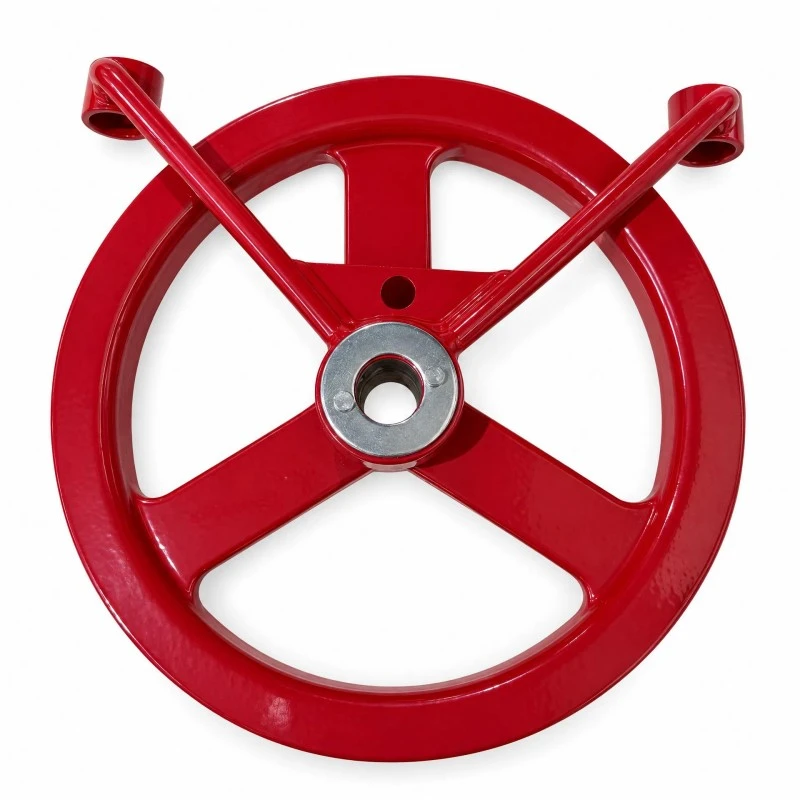
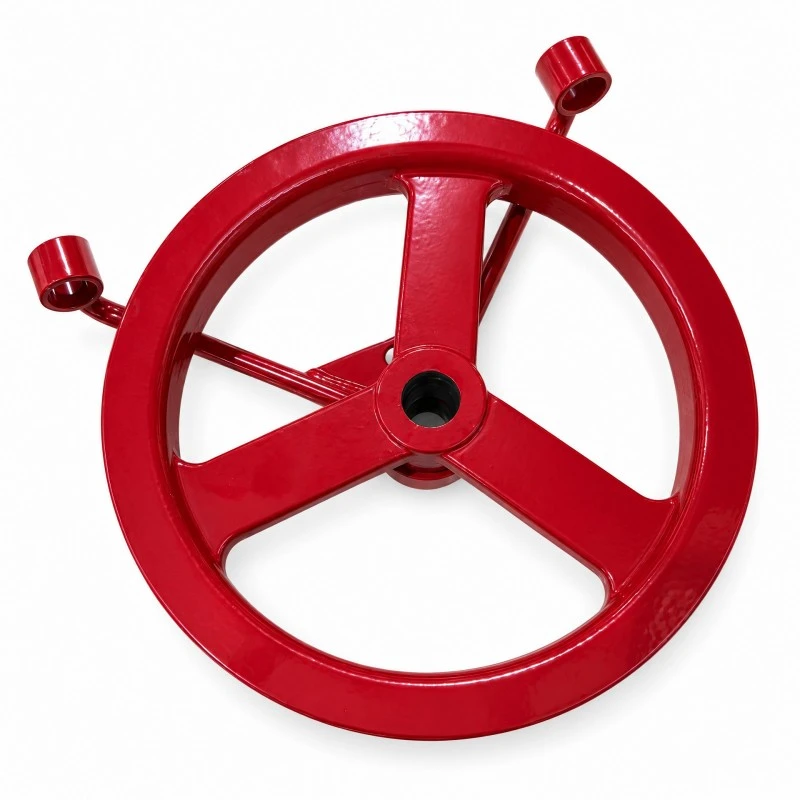
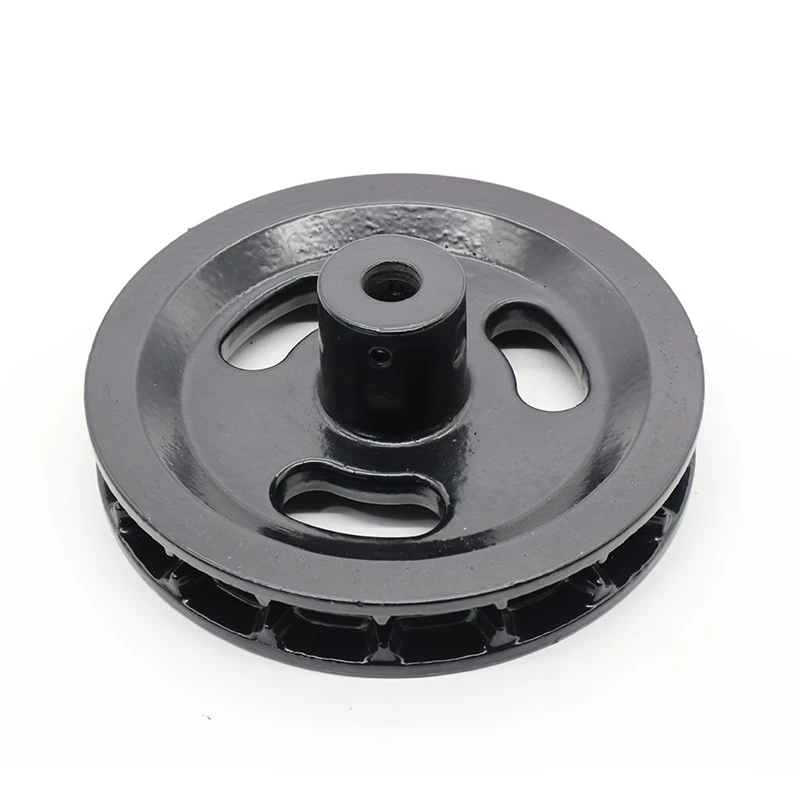
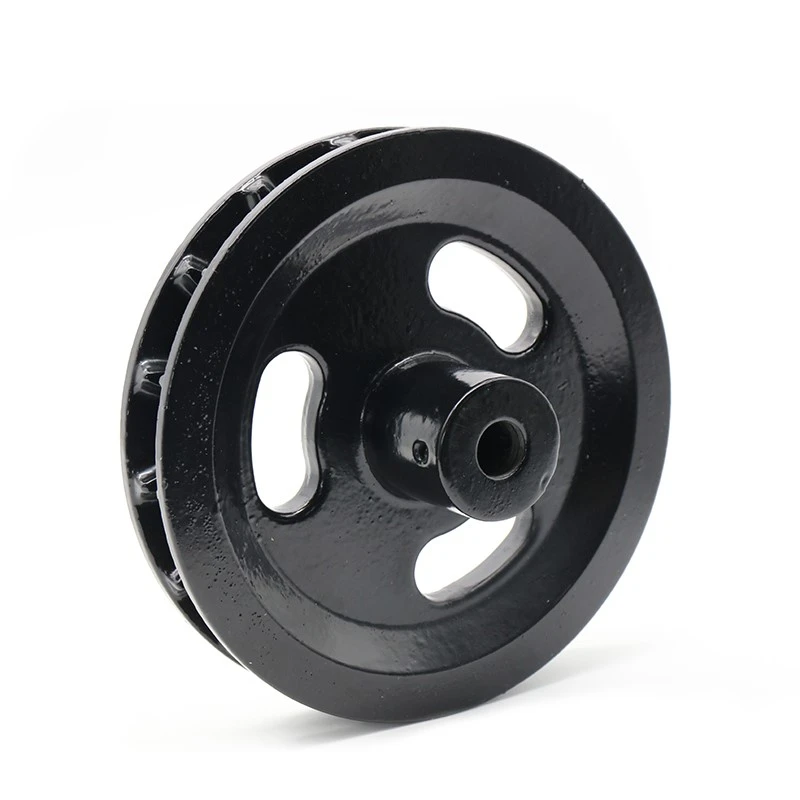
Prepare a Complete RFQ for Industrial Valve Chainwheels
A clear request for quotation helps manufacturers assess feasibility, recommend appropriate specifications, and provide a more accurate price and lead-time estimate.
| Information to Provide | Why It Matters |
|---|---|
| Valve type and model | Establishes the intended application |
| Required operating torque | Helps determine mechanical requirements |
| Chainwheel diameter | Defines size and operating arrangement |
| Chain pitch and specifications | Confirms sprocket compatibility |
| Bore, keyway, and hub dimensions | Ensures a suitable mounting interface |
| Material and surface finish | Matches mechanical and environmental requirements |
| Installation height and clearance | Helps confirm accessibility and chain length |
| Technical drawing or sample | Reduces dimensional uncertainty |
| Order quantity and annual demand | Supports production planning and quotation |
| Inspection and documentation requirements | Clarifies quality acceptance criteria |
For custom chainwheel projects, it is also advisable to confirm the sample approval process, critical inspection dimensions, packaging requirements, and agreed delivery schedule before placing the purchase order.
Conclusion
Choosing the right chainwheel for industrial valves requires a coordinated assessment of operating torque, diameter, material, chain compatibility, mounting dimensions, and working environment. No single specification can determine suitability on its own.
For valve manufacturers, distributors, and industrial equipment buyers, the most reliable selection process starts with accurate technical information and ends with verified compatibility before installation.
Hangzhou Xiaoshan Chuangye Metal Processing Co., Ltd. provides custom industrial metal component manufacturing, including chainwheels and valve handwheels, supported by machining, welding, finishing, and quality control capabilities. Buyers can submit drawings, samples, and application requirements to discuss a suitable chainwheel solution for their valve assemblies.
To explore customized options, visit the Industrial Valve Chainwheel product page or contact Chuangye through cyhandwheel.com.
Frequently Asked Questions About Industrial Valve Chainwheels
Start with the valve's required operating torque, chain specifications, installation height, and available clearance. Then confirm the chainwheel diameter, tooth geometry, and mounting interface against the valve assembly drawing. Diameter alone is not sufficient to determine suitability.
A standard valve handwheel is operated directly by turning the wheel. A chainwheel allows the operator to control a compatible valve through a hanging chain, making it useful for elevated or difficult-to-reach installations.
Carbon steel, cast iron, stainless steel, and alloy steel may be suitable for different applications. The choice depends on required strength, corrosion exposure, operating conditions, surface protection, and budget. The final material should be confirmed against the project's technical requirements.
Yes. A qualified manufacturer can assess custom diameters, chain specifications, bore dimensions, hub configurations, and other mounting requirements based on drawings or samples. Hangzhou Xiaoshan Chuangye Metal Processing Co., Ltd. supports customized metal component manufacturing for industrial valve applications.
Provide the valve model, operating torque, chain pitch, required diameter, mounting dimensions, material, surface finish, order quantity, and delivery requirements. A 2D drawing, 3D CAD file, or existing sample can help the manufacturer evaluate compatibility and production feasibility.
Use a chainwheel that matches the valve's operating requirements and chain geometry. Inspect the chain and sprocket teeth regularly, maintain secure mounting, monitor corrosion and wear, and follow the valve manufacturer's maintenance recommendations. Material and surface treatment should be selected for the actual operating environment.


