


In the field of industrial fluid control, valves, as key components, play an important role in regulating and controlling the flow of media, while valve handwheels are direct tools for operating valves. Red Valve Hand Wheels have attracted the attention of many companies for its unique design and wide application. However, the question of how much pressure it can withstand is not only related to the normal operation of the valve, but also closely related to the safety and stability of the entire industrial production system.
Table of contents
1. Application scenarios and importance of Red Valve Hand Wheels
2. Factors affecting the pressure tolerance of Red Valve Hand Wheels
3. Analysis of the pressure tolerance of different types of Red Valve Hand Wheels
4. How to determine the pressure tolerance of Red Valve Hand Wheels
5. Measures to ensure the normal operation of Red Valve Hand Wheels under rated pressure
6. Conclusion
1. Application scenarios and importance of Red Valve Hand Wheels
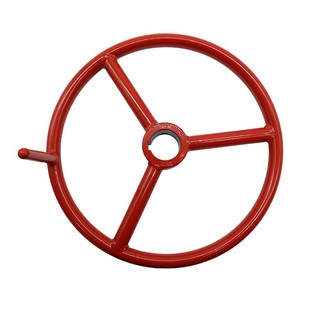
1. Application Scenarios
Red Valve Hand Wheels are widely used in pipeline systems in many industries such as petroleum, chemical, electric power, and water treatment. In oil production, they are used to control the opening and closing of wellhead valves and regulate the delivery of crude oil; in chemical production, they accurately control the flow and pressure of various chemical media; in the power industry, they ensure the stable flow of steam, water and other media in pipelines; in water treatment plants, they realize the control of sewage and clean water treatment processes.
2. Importance
As a key component of valve operation, the performance of Red Valve Hand Wheels directly affects the convenience and reliability of valve operation. Appropriate pressure tolerance can ensure the stable operation of the handwheel under different working conditions, avoid damage to the handwheel due to excessive pressure, and ensure that the valve can accurately adjust the medium flow and pressure to ensure the normal progress of industrial production.
2. Factors affecting the pressure tolerance of Red Valve Hand Wheels
1. Material factors
The material of the handwheel is one of the key factors that determine its pressure bearing capacity. Common materials include carbon steel, stainless steel, aluminum alloy, etc. Carbon steel has high strength and hardness, can withstand greater pressure, but is easy to rust; stainless steel is not only strong, but also has good corrosion resistance, suitable for harsh working environments; aluminum alloy is light and easy to operate, but relatively weak in pressure bearing capacity. The choice of different materials depends on the specific application scenario and pressure requirements.
2. Design structure
The design structure of the handwheel will also affect its pressure bearing capacity. Reasonable structural design can effectively disperse pressure and improve the overall strength of the handwheel. For example, some handwheels use a reinforcing rib design to increase the rigidity of the handwheel; some handwheels use a special connection method to make the connection between the handwheel and the valve stem more secure, which can better transmit torque and withstand pressure.
3. Manufacturing process
The quality of the manufacturing process directly affects the quality and performance of the handwheel. Advanced manufacturing technology can ensure the dimensional accuracy and surface quality of the handwheel, reduce internal defects, and thus improve the pressure bearing capacity of the handwheel. For example, the handwheel manufactured by precision casting has a denser internal structure and higher strength; the handwheel surface that has been finely processed can reduce friction resistance and improve the smoothness of operation.
3. Analysis of the pressure tolerance of different types of Red Valve Hand Wheels
1. Small Red Valve Hand Wheels
Small handwheels are usually used on some low-pressure and small-caliber valves. Their pressure bearing capacity is generally between a few MPa and more than ten MPa. This type of handwheel is small in size and relatively thin in material. It is mainly used in some occasions with low pressure requirements, such as household water pipes, small industrial equipment, etc.
2. Medium Red Valve Hand Wheels
Medium handwheels are suitable for valves with medium pressure and caliber. Their pressure bearing capacity is generally between more than ten MPa and tens of MPa. Medium handwheels are relatively stronger in material and structural design, and can meet the pressure requirements in most industrial production. They are widely used in pipeline systems in chemical, electric power and other industries.
3. Large Red Valve Hand Wheels
Large handwheels are mainly used for high-pressure and large-caliber valves. Their pressure bearing capacity can reach tens of MPa or even higher. This type of handwheel usually uses high-strength materials and special design structures to ensure normal operation under high-pressure environments. Large handwheels are commonly found in long-distance pipelines and large industrial devices in industries such as oil and natural gas.
4. How to determine the pressure tolerance of Red Valve Hand Wheels
1. Check the product manual
The product manual is the most direct way to understand the pressure tolerance of Red Valve Hand Wheels. The manual will detail the model, material, applicable pressure range and other parameters of the handwheel. When choosing a handwheel, you should carefully read the product manual and choose the appropriate handwheel according to the actual working pressure requirements.
2. Perform a pressure test
For some special working conditions or occasions with high pressure requirements, the handwheel can be pressure tested. By simulating the actual working pressure, the performance of the handwheel under different pressures is tested to ensure that it can meet the working requirements. The pressure test should be carried out in a professional laboratory or test platform and operated by professionals.
3. Consult the manufacturer
If you have any questions about the pressure tolerance of Hand Wheel In Valve, you can directly consult the manufacturer. The manufacturer has professional technicians and rich experience, and can provide users with accurate information and suggestions based on specific application scenarios and requirements.
5. Measures to ensure the normal operation of Red Valve Hand Wheels under rated pressure
1. Correct installation
When installing Red Valve Hand Wheels, strictly follow the requirements of the installation instructions. Ensure that the connection between the handwheel and the valve stem is firm and the installation position is correct to avoid the handwheel being subjected to additional pressure or loosening due to improper installation.
2. Regular maintenance
Regular maintenance of the handwheel is an important measure to ensure its normal operation. The wear of the handwheel and the tightness of the connection parts should be checked regularly to detect and deal with potential problems in a timely manner. At the same time, clean and lubricate the handwheel to reduce friction and improve the smoothness of operation.
3. Avoid overpressure use
During use, the handwheel should be operated strictly in accordance with the rated pressure range to avoid overpressure use. If the actual working pressure exceeds the bearing capacity of the handwheel, timely measures should be taken to reduce the pressure or replace the appropriate handwheel to prevent damage to the handwheel and accidents.
The pressure bearing capacity of Red Valve Hand Wheels is a complex issue, which is affected by many factors such as material, design structure, and manufacturing process. Different types of hand wheels have different pressure bearing capacities. When selecting and using, users should determine the appropriate hand wheel according to the actual working pressure requirements by checking the product manual, conducting pressure tests, consulting the manufacturer, etc., and take correct installation, maintenance and use measures to ensure that the hand wheel works normally under the rated pressure, providing strong protection for the safety and stability of industrial production. With the continuous development of industrial technology, it is believed that the pressure bearing capacity and performance of Red Valve Hand Wheels will continue to improve, bringing more convenience and protection to the field of industrial fluid control.


